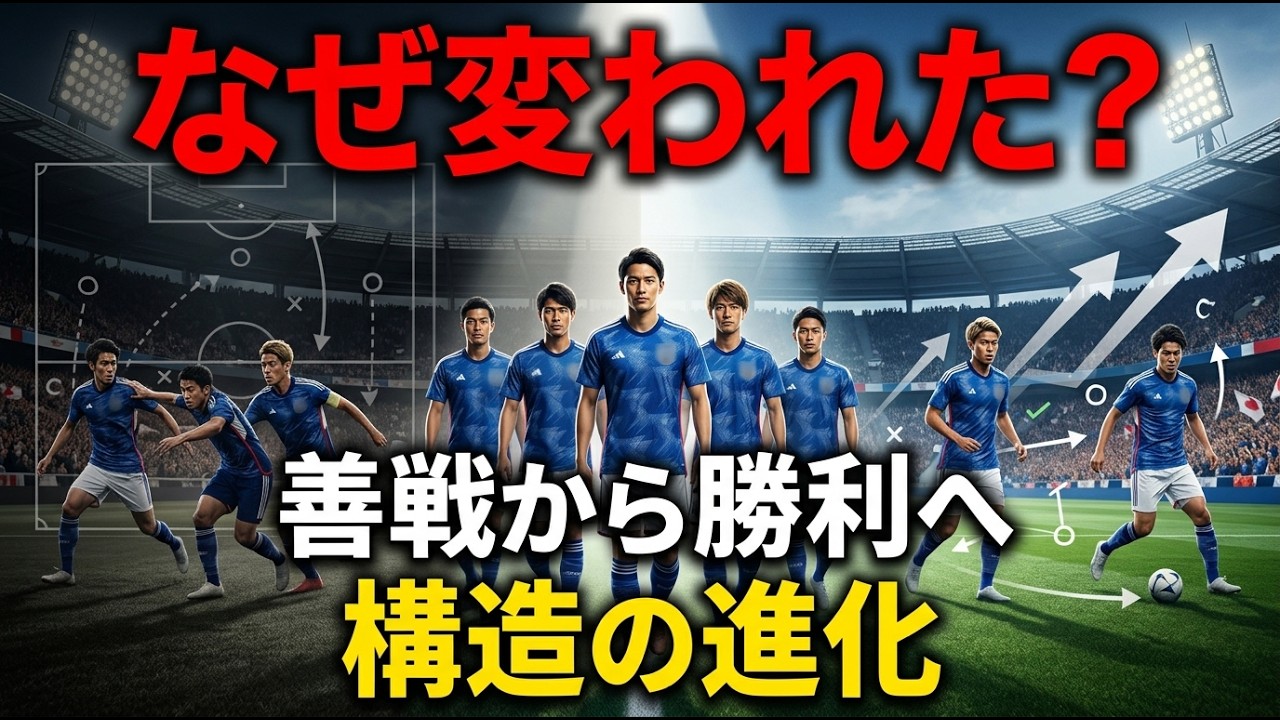
Why was Moriyasu Japan able to change from a “team that fights well” to “a team that has an obligation to win”? This change is manifested not only in the results, but also in the “structure itself” of the Japanese national team. In the past, Japan had put up a good fight against strong opponents, but was just one step away from reaching them. However, they have now evolved into a team that can read the flow of the match, design their own initiative, and make decisions to win. The symbol of this is Ayane Suzuki. It functions not only as a shot stopper but also as a starting point for build-ups, increasing the sense of stability of the entire finishing line. Furthermore, a new generation like Kento Shiogai has emerged and is raising the standards of playing intensity and speed. The biggest influence of all is the influence of players competing in Europe’s five major leagues. Wataru Endo, Takefusa Kubo, Kaoru Mitoma, Takehiro Tomiyasu — The “world-class judgment and strength” these players bring back has raised the speed of play and tactical understanding of the Japanese national team as a whole. In this video, we will thoroughly explain why the Japanese national team was able to move up from a “good fight” to a “victory” from the perspective of structural changes from the goalkeeper to the front line, the evolution of the player base, and changes in the team’s standards. What is the difference between a “winning team” and a “winning team”? The answer lies in the standards of each play and the design of the team as a whole. Why has the Japanese national team changed? Please watch until the end to find out the essence. We’d love to hear your opinions in the comments! #Japan National Team #Moriho Japan #Aya Suzuki #Kento Shiogai #Kenhide Kubo #Kaoru Mitaka #Wataru Endo #Takehiro Tomiyasu #Overseas Group #Tactical Analysis #Japan Soccer National Team #World Cup 2026 #SamuraiBlue #football

JP2021.COM